
Every event – regardless of its nature, size, or duration – generates an impact on the territory and community that host it. This impact, which unfolds in both the short and long term, is referred to as legacy.
Legacy can be planned or unplanned, positive or negative, tangible or intangible. Whatever form it takes, it represents what the event gives back to the community, the location and the stakeholders involved. For this reason, legacy management and planning is now one of the most strategic elements in event design.
The Seven Dimensions of Legacy
Although the concept may seem abstract, legacy manifests in concrete forms. According to different perspectives and approaches, it can be traced back to the following typologies, which do not necessarily coexist:
- Infrastructural
Tangible works and structures created by or for the event, urban regeneration projects, and improvements in services for the community. - Know-how
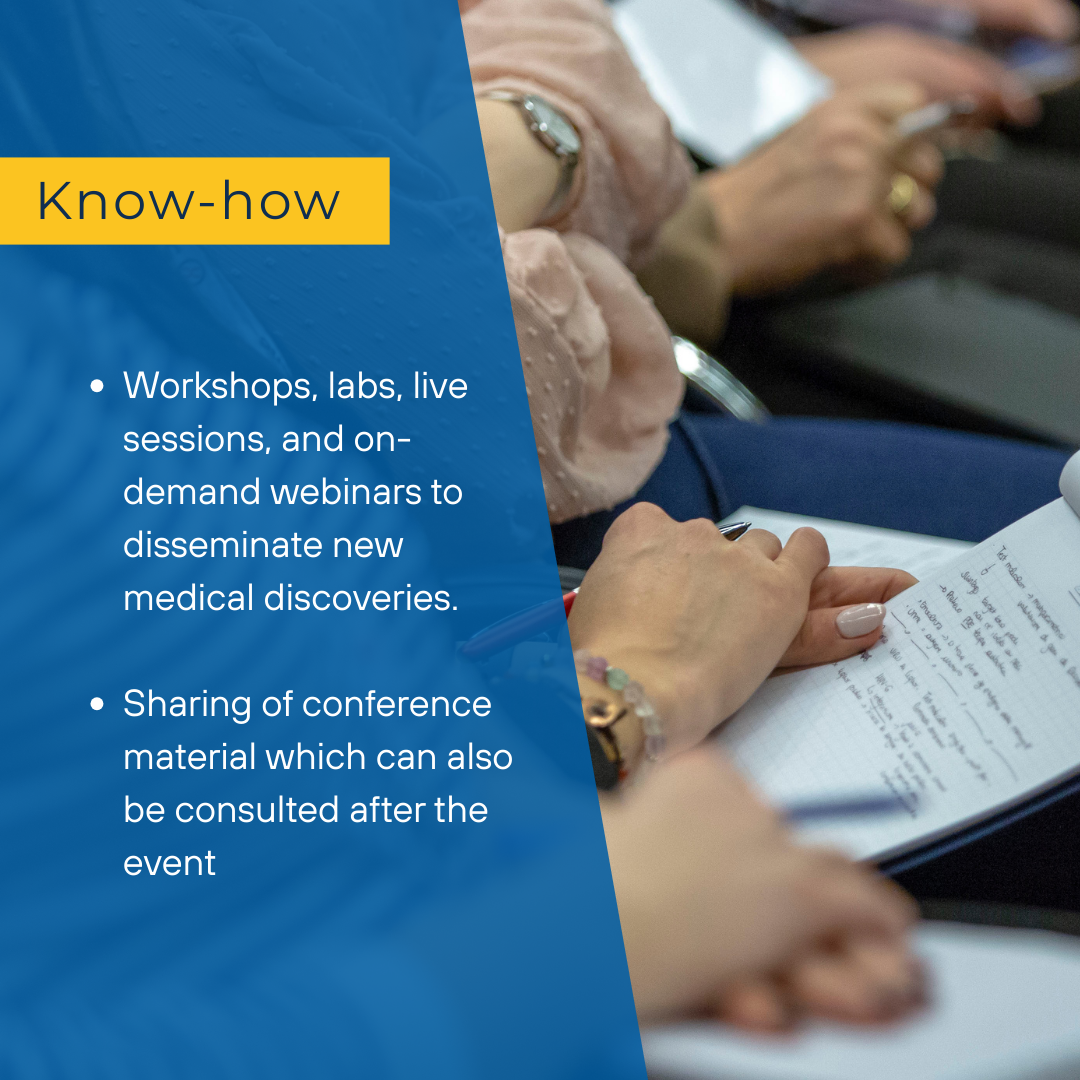
Knowledge transfer and production: congress materials, training, technical and informational skills acquired and shared first with the relevant community and then becoming the heritage of the entire community. - Networks
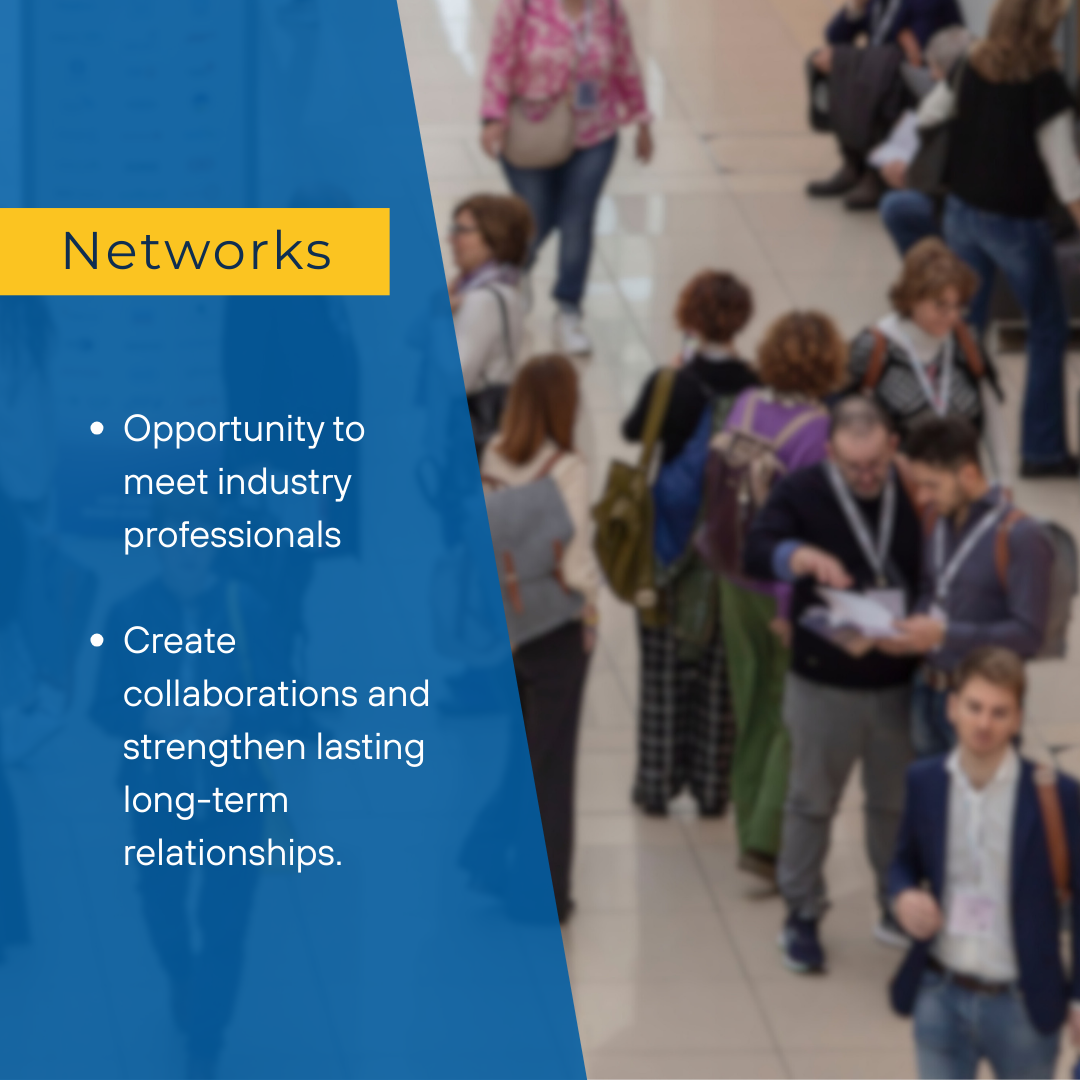
The creation or strengthening of professional and personal relationships: new partnerships, collaborations, and ideas born from meaningful encounters. - Cultural
Values, content, and cultural stimuli generated by the event, which enrich the social fabric of the area. - Emotional
The experiences, memories, and feelings that an event leaves with people, helping to strengthen their identity and sense of belonging. - Image
The public perception generated by the event, influencing the reputation of the host territory and the organizations involved. - Social
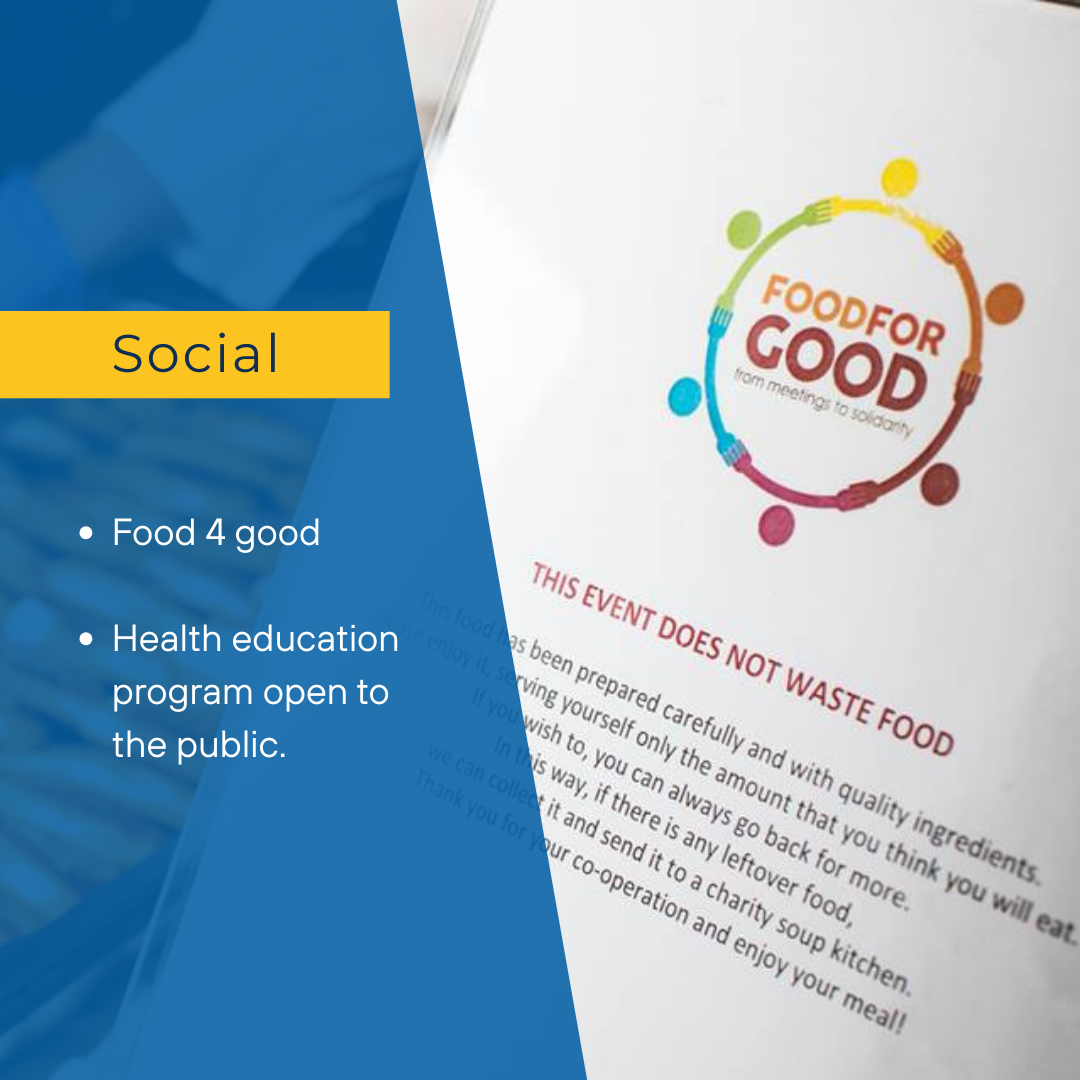
Positive effects on the local community, such as increased social cohesion, higher levels of volunteering, and an improved quality of life.
It is important to clarify how the concept of legacy reaches its fullest expression when applied to specific types of events, particularly mega-events. That said, its importance and impact, though more contained, should not be underestimated in corporate or medium to small-scale congress environments.
Well-Known Examples of Legacy
An emblematic example of legacy can be found close to home, in Milan. We are all familiar with Expo Milano 2015 and the developments that followed. Beyond its immediate impact in terms of international visibility, the event left a concrete and long-lasting legacy for the city and the country.
From urban infrastructural regeneration – including the redevelopment of the Darsena district – to the transformation of the former exhibition area into MIND Milano Innovation District, to the production of know-how on topics such as nutrition, sustainability, and innovation, Expo 2015 generated collaboration networks, research projects, and strengthened Milan’s image as an international hub for major events and high-value content. Even nearly eleven years later, it continues to generate value for the city.
With the advent of the Winter Olympics Milano Cortina 2026, expectations are no less significant.
The Legacy of MZ Events
With decades of experience and a sustainability-driven vision in all its dimensions, MZ EVENTS has successfully interpreted the concept of legacy across multiple perspectives:
(In)formation Accessibility – Know-how
Production and dissemination of slides, abstracts, papers, and scientific content accessible even after the congress event, fostering long-term knowledge sharing.
Congress materials remain available for consultation post-event.
Public Relations and New Connections – Networks
Designing environments and moments specifically aimed at generating opportunities, professional contacts, and long-lasting collaborations.
Donations and Waste Reduction – Emotional and Social
Recovery of surplus food through the Food4Good initiative and donations to local charitable communities, creating a tangible impact on the well-being of the local community.
The Mission of Every Event Is to Create Value
For MZ EVENTS, the goal is not merely to organize high-quality events, but to generate lasting value, turning every project into an opportunity for growth for the territory, people, and organizations involved.
Because a well-designed event does not end when the lights go out:
it continues over time, through its legacy.